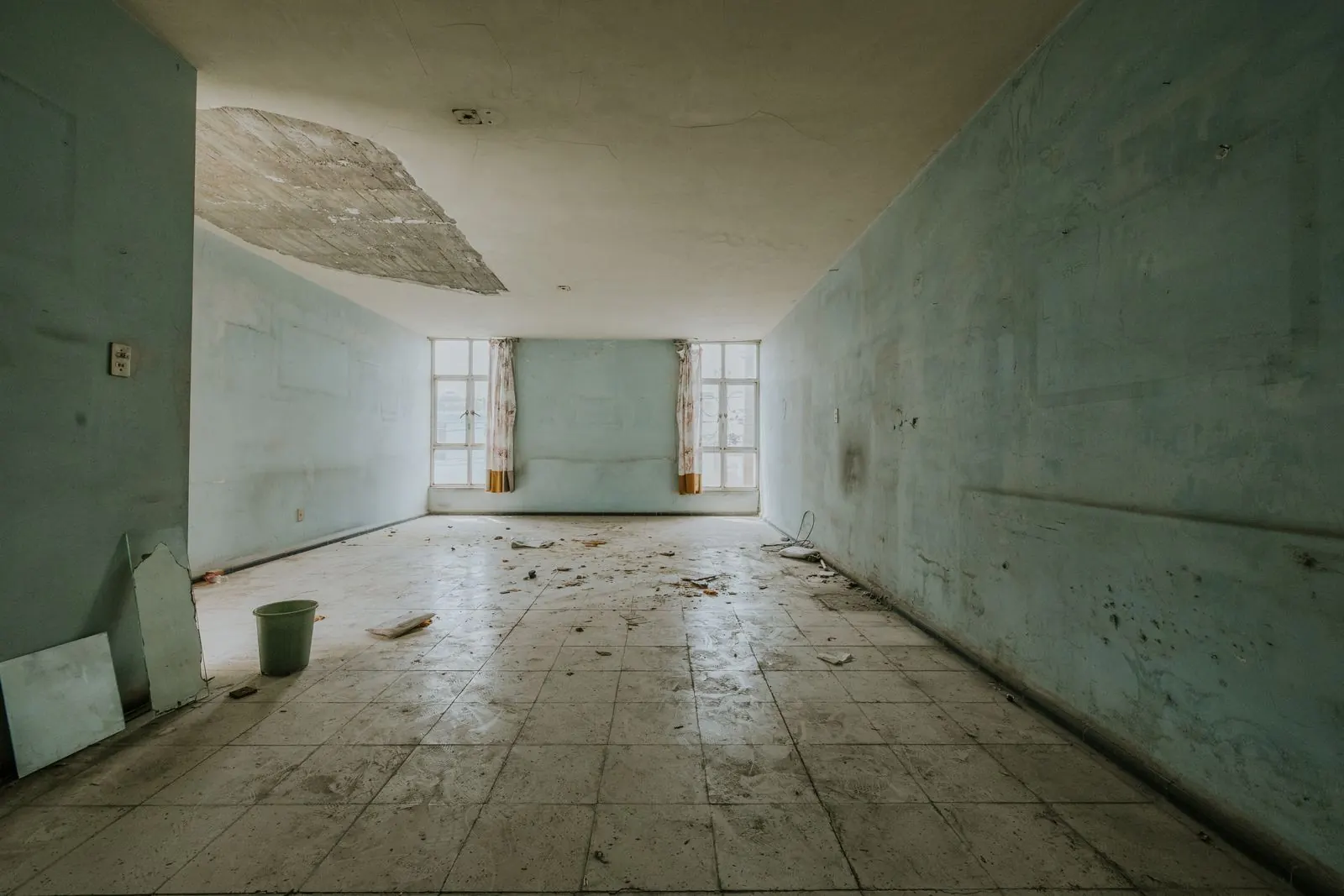
Heavy rain events in Fairfax, Virginia can turn a dry basement or first-floor living area into a small indoor pond within hours. Understanding what flood damage cleanup actually involves — and the critical differences between storm flooding, plumbing flooding, and groundwater intrusion — helps Fairfax homeowners make the right calls fast.
How Flooding Happens in Fairfax
Flooding in our area comes from several sources: saturated ground overwhelming storm drains, flash-flood runoff on sloped lots, failed sump pumps, and the occasional catastrophic storm event. Each type of flood water carries different contamination levels and different restoration requirements.
Category 1 water (clean supply) can often be extracted and the structure dried in place. Category 2 (gray water, from appliances or surface runoff) requires sanitization alongside drying. Category 3 (black water, from sewage backups or prolonged standing) usually means affected porous materials have to come out.
Most Fairfax basement flooding falls in Category 2 or 3 because of what surface water picks up on its way into your home — fertilizer, oil, organic debris, and whatever was in the yard or street.
Immediate Steps When You Discover Flooding
Electrical safety first. If water is anywhere near outlets, panels, appliances, or extension cords — don't enter. Kill power to the affected zones from the main breaker panel if you can do it without stepping in water.
Don't use a household shop vacuum for more than a few inches of water. They're not rated for bulk extraction and they can introduce their own electrical hazards.
Photo-document before cleanup. Then call for professional extraction. The clock on mold starts ticking the moment water enters the space.
The Professional Flood Cleanup Process
Extraction comes first — truck-mounted pumps and extractors handle the bulk water. For Category 3 events, we bring in enclosed disposal equipment to keep contamination contained during removal.
Demolition is scope-dependent. Saturated drywall, carpet pad, and particleboard don't recover — they come out. Solid wood, tile, and metal components usually stay and get dried in place.
Sanitization follows extraction for any gray or black water event. EPA-registered antimicrobials are applied to every surface that contacted contaminated water. Air scrubbers with HEPA filtration run during and after the work.
Drying Is Not Optional
Commercial dehumidifiers and air movers then take moisture content down to target values. This is the step where DIY cleanup often fails — household fans and windows don't move enough air or remove enough moisture to actually dry a wet structure.
We monitor daily with moisture meters at multiple points. If readings plateau, equipment is adjusted. Drying times typically run 3–5 days for standard residential jobs.
Only after verified dryness does reconstruction begin. Rushing this step is why so many flood jobs come back with mold 2–3 months later.
Insurance: What Flood Coverage Actually Means
Standard homeowner's policies cover plumbing-related flooding but exclude rising groundwater and storm-surface flooding. That requires separate NFIP flood insurance or a private flood policy.
Sump pump failures are in a gray zone — some policies cover the resulting damage if you have a specific sump overflow rider. Review your declarations page or ask your agent before assuming coverage.
For covered losses, we document everything the adjuster needs and communicate directly with your carrier to streamline claim approval.
- Visit our homepage for a full overview of our water damage restoration services in Fairfax, VA
- Flood Damage Cleanup — one of our core Fairfax services
- Flooded Basement Cleanup — another related service
- Annandale, VA service area details
- Fairfax, VA service area details
- Related article: Basement Water Damage Repair in Fairfax VA Homes
- Contact us for a free assessment or emergency dispatch
Frequently Asked Questions
How long after flooding can I stay in my home?
That depends on water category and contamination. Clean-water events may allow you to stay in unaffected rooms. Gray and black water events typically require relocation until sanitization is complete.
Can I just use fans and open windows to dry things out?
For minor surface moisture, sometimes. For anything that has soaked into drywall, subfloor, or cavity space, no — you need commercial dehumidification to actually hit target moisture content.
What's the difference between flood damage and water damage?
Insurance defines flood as natural surface water — storm runoff, rising rivers, groundwater. Water damage is typically plumbing or appliance failure. Coverage differs significantly between the two.
Do you work with my insurance company on flood claims?
Yes. We document damage in the format NFIP and private flood carriers expect and communicate directly with adjusters to speed approval.
How do I prevent this from happening again?
Depending on cause: sump pump upgrade or replacement, exterior grading adjustment, foundation sealing, downspout extensions, or backwater valve installation on the sewer line.