Sewage Backup Cleanup & Sanitation in Fairfax, Virginia
Sewage backup is a Category 3 biohazard — not a DIY job. Our certified crew handles full contamination removal, EPA-registered disinfection, structural drying, and complete documentation for your insurance claim.
Sewage Backup Is a Biohazard — Not Just a Plumbing Problem
Sewage-contaminated water (classified as Category 3 or "black water") contains a mix of bacteria, viruses, and parasites that can cause serious illness. In Fairfax homes, sewage backup most commonly originates from three sources: a clogged or root-invaded main sewer line, an overloaded municipal main during heavy rain, or a failed ejector pump in a basement bathroom.
The older neighborhoods throughout Fairfax — Mantua, Kings Park, Greenbriar, and along Old Lee Highway — have cast-iron drain lines that are decades old. Tree root intrusion is common. During heavy rainfall events, those root-narrowed lines can back up entirely, pushing sewage water back through the lowest drain points in the house — typically floor drains, basement toilets, and shower drains.
One of the biggest sewage cleanup mistakes we see: homeowners mop up the visible mess and think the job is done. But sewage-contaminated water wicks into drywall, subfloor, and floor framing just like any other water — except now those materials are biologically contaminated. Any porous material that sewage touched must come out, not just be dried. There is no amount of drying that makes sewage-saturated drywall safe to leave in place.
What You Should and Shouldn't Do
Do: Keep people and pets out of the affected area. Turn off the electrical breaker to the affected zone if water is near outlets. Call us immediately.
Don't: Attempt to clean it yourself without proper PPE. Run fans over the contaminated area (this aerosolizes pathogens). Use household cleaners — they do not meet EPA disinfection standards for Category 3 water.
A homeowner in the Kings Park West neighborhood called us after discovering their basement bathroom toilet had overflowed overnight — the result of a root blockage in the main line that had been slowly developing for months. The water had spread approximately 400 sq ft across the finished basement floor. We contained the area, removed all affected drywall to 24 inches, pulled the carpet and pad, extracted all standing water, applied EPA-registered disinfectant to all structural surfaces, and ran air scrubbers with HEPA filters for 48 hours. A post-remediation clearance test confirmed sanitation success.
What Sewage Backup Cleanup Sanitation Typically Costs in Fairfax
Pricing is scope-specific and we treat each job individually. Most residential biohazard remediation falls between $1,500 and $12,000; commercial and industrial scope is project-priced. Insurance coverage varies — we help review your policy and coordinate with the carrier before work begins where time permits.
What affects pricing on a sewage backup cleanup sanitation job:
- Square footage and number of rooms affected
- Type of materials affected (hardwood vs. carpet; drywall vs. plaster)
- Whether the cause has been corrected (an active leak extends the scope)
- Insurance involvement and documentation requirements
Insurance coordination: we've handled hundreds of claims with USAA, State Farm, and Allstate — three of the most common carriers in Fairfax County. Each has slightly different documentation preferences, and we adjust our reporting accordingly. Final invoices are submitted in Xactimate format when required.
Want a real number for your situation? Call (571) 708-6083 for a free on-site assessment.
How We Remediate Sewage Backup in Fairfax
Containment & PPE
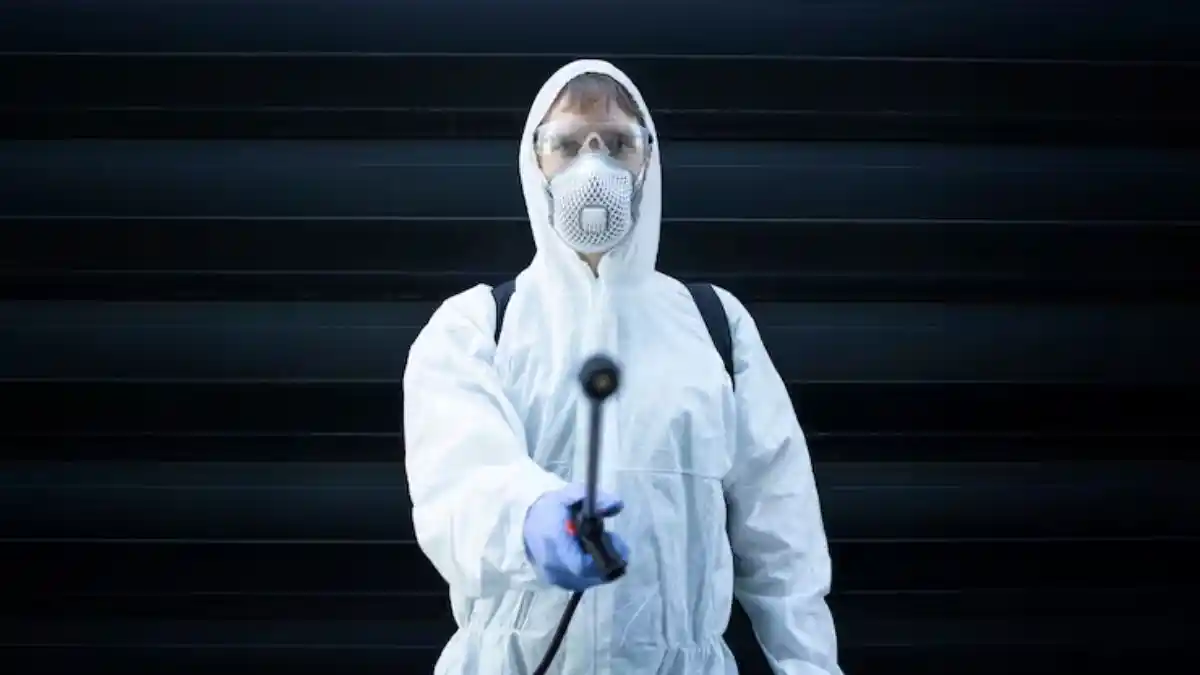
Crew arrives in full PPE. We establish containment barriers to prevent cross-contamination to unaffected areas of the home.
Remove Contaminated Materials
All porous materials that contacted sewage water — drywall, carpet, pad, insulation — are removed, bagged, and disposed of per biohazard protocols.
Extraction & Flush
Standing water extracted. Hard surfaces flushed and pre-cleaned to prepare for disinfection.
EPA-Registered Disinfection
All structural surfaces — concrete, framing, wall cavities, and subfloor — treated with EPA-registered antimicrobial agents rated for Category 3 contamination.
Structural Drying
HEPA air scrubbers run alongside dehumidifiers and air movers to dry and filter the air during the drying phase.
Clearance Testing & Reconstruction
Optional third-party clearance testing available. Reconstruction (drywall, flooring) handled in-house once clearance is confirmed.
What Has to Be Removed vs. What Can Be Saved
| Material | Sewage Contact — Outcome |
|---|---|
| Drywall | Remove — porous, cannot be fully disinfected |
| Carpet & pad | Remove — always |
| Fiberglass insulation | Remove — always |
| Unsealed wood framing | Sanitize if minor; remove if deeply saturated |
| Concrete floor/walls | Sanitize and retain — non-porous |
| Tile & grout | Sanitize and retain — tile is; grout may need re-sealing |
Insurance Coverage for Sewage Backup
Standard homeowners policies often exclude sewage backup unless you have a specific water backup endorsement — which many Fairfax homeowners carry without being aware of it. Check your declarations page for "water backup" or "service line" endorsements. We provide all documentation needed to submit a complete claim.
Sewage Backup Cleanup Sanitation — Sensitive Questions, Direct Answers
More Water Damage Services in Fairfax
Ceiling Water Damage Restoration
We trace the leak source with thermal imaging, dry the cavity above, and restore the ceiling.
View Service →Carpet Water Damage Restoration
Weighted extraction, pad removal, and antimicrobial treatment before drying begins.
View Service →Hardwood Floor Water Damage Restoration
A 24 to 48 hour save window before cupping becomes permanent. Specialized floor drying systems.
View Service →Sewage Backup in Fairfax? This Is an Emergency.
Category 3 contamination spreads fast and creates serious health hazards. Call now for immediate 24/7 certified response.
Call (571) 708-6083