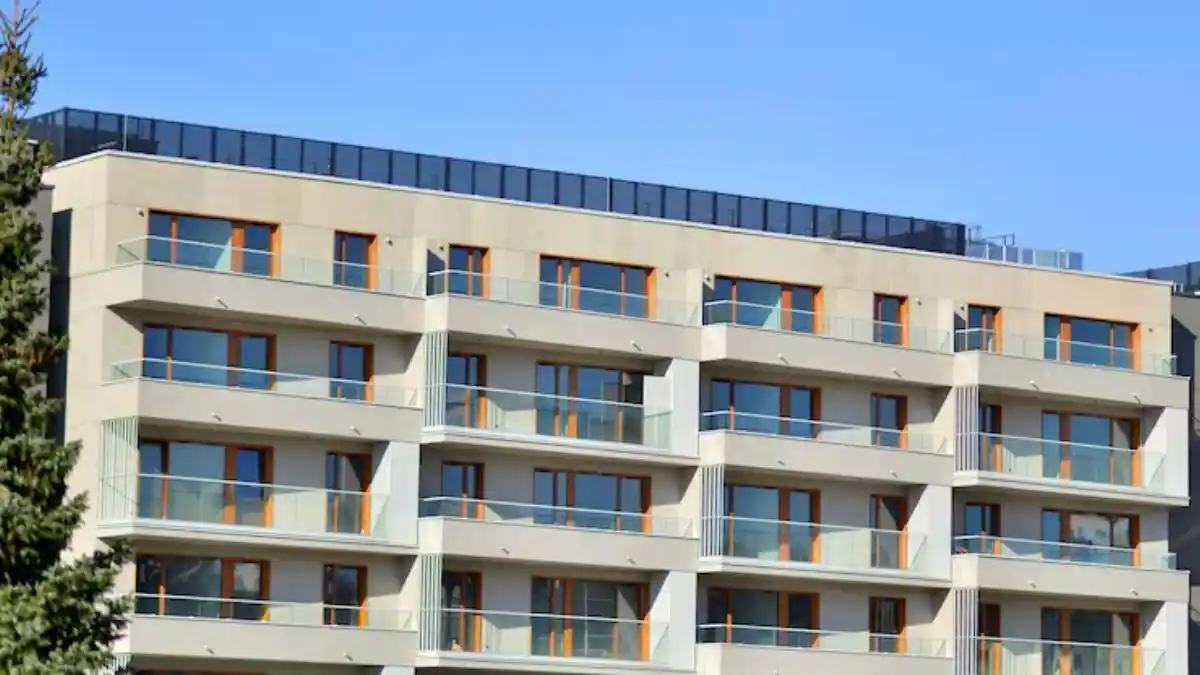
Apartment & Multi-Family Water Damage Restoration in Fairfax, Virginia
IICRC-certified apartment & multi-family water damage restoration throughout Fairfax, VA. Rapid response, transparent pricing, insurance-ready documentation.
Water damage in an apartment or multi-family building rarely stays inside one unit. A leak two floors up becomes a ceiling problem one floor down and a flooring problem at ground level — and each affected party may be covered by a different insurance policy. Apartment & Multi-Family Water Damage Restoration starts with mapping every unit the water actually reached, not just the one that called it in.
Fairfax County's rental and condo inventory runs from garden-style apartment communities along Route 50 and Route 29 to mid-rise buildings near the Vienna and Dunn Loring Metro corridors and high-rise construction around Reston Town Center and the Tysons-adjacent submarkets. Each building type fails differently: garden-style buildings spread water laterally across slab-on-grade units, while mid-rise and high-rise construction sends it straight down through multiple floors before anyone downstairs notices a stain on the ceiling. We scope the building type first, because it changes where we look for damage that hasn't been reported yet.
What Apartment & Multi-Family Water Damage Restoration Typically Costs in Fairfax
Typical range: $1,200 – $18,000 for a single-unit to multi-floor multi-unit scope in the Fairfax County area. We document everything photographically and provide a written scope before any work begins.
What affects pricing on a apartment & multi-family water damage restoration job:
- Number of units affected — a single unit's ceiling versus a three-floor vertical loss
- Whether occupied units can stay occupied during drying, or need temporary relocation
- How many separate insurance policies (landlord, HOA master policy, individual tenant or owner policies) are documenting the same event
- Common-area involvement — hallways, shared mechanical rooms, or building systems
- Access scheduling around the property's existing maintenance and management operations
About insurance: Multi-unit losses often involve more than one policy at once — a building's landlord or master policy for structure and common areas, and each affected occupant's individual policy for their own contents and finishes. We document per unit specifically so each policy's adjuster gets what they need without cross-contaminating another party's claim.
Want a real number for your situation? Call (571) 708-6083 for a free on-site assessment.
How Apartment & Multi-Family Water Damage Restoration Works
Single Point of Contact Confirmed
Property manager or owner is our primary contact for building-wide decisions — access, scheduling, common-area work.
Every Potentially Affected Unit Checked
Not just the unit that called it in. Adjacent and below-grade units get moisture-mapped before we assume they're dry.
Occupied-Unit Containment
Poly sheeting, zipper doors, and negative-air equipment isolate the work zone so tenants can stay in place where it's safe.
Per-Unit Documentation
Separate scope, photos, and moisture log for every affected unit — building summary for the property manager, unit-specific record for each occupant's claim.
Floor-by-Floor Drying
Highest affected floor first, working down. Each floor gets its own equipment and its own readings, not one blanket plan.
Individual Unit Sign-Off
Each unit is cleared and returned to the occupant as it finishes — the whole building doesn't wait on the slowest unit.
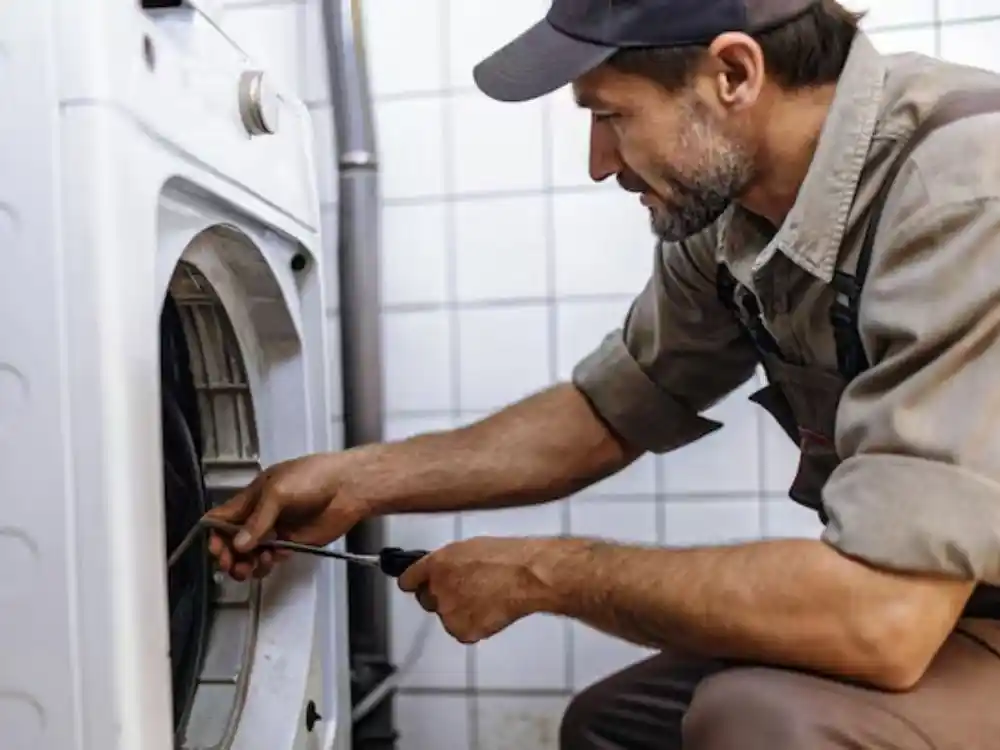
Apartment & Multi-Family Water Damage Restoration — What People Ask First
More Water Damage Services in Fairfax
Commercial Water Damage Repair
Office and retail-space water loss with tenant coordination and business-interruption documentation.
View Service →Ceiling Water Damage Restoration
The most common way water damage moves between apartment floors — traced, dried, and repaired.
View Service →Plumbing Overflow Cleanup
Sinks, tubs, and supply lines — the fixture failures behind most multi-unit water events.
View Service →Where We Respond — Fairfax and Surrounding Communities
Annandale · Burke · Centreville · Chantilly · Fair Oaks · Fairfax · View All Service Areas
Apartment & Multi-Family Water Damage Restoration Across Fairfax, VA
Need Apartment & Multi-Family Water Damage Restoration Now? Call (571) 708-6083
Our Fairfax team is on-call 24/7. Call now for a free, no-obligation quote.
Call (571) 708-6083