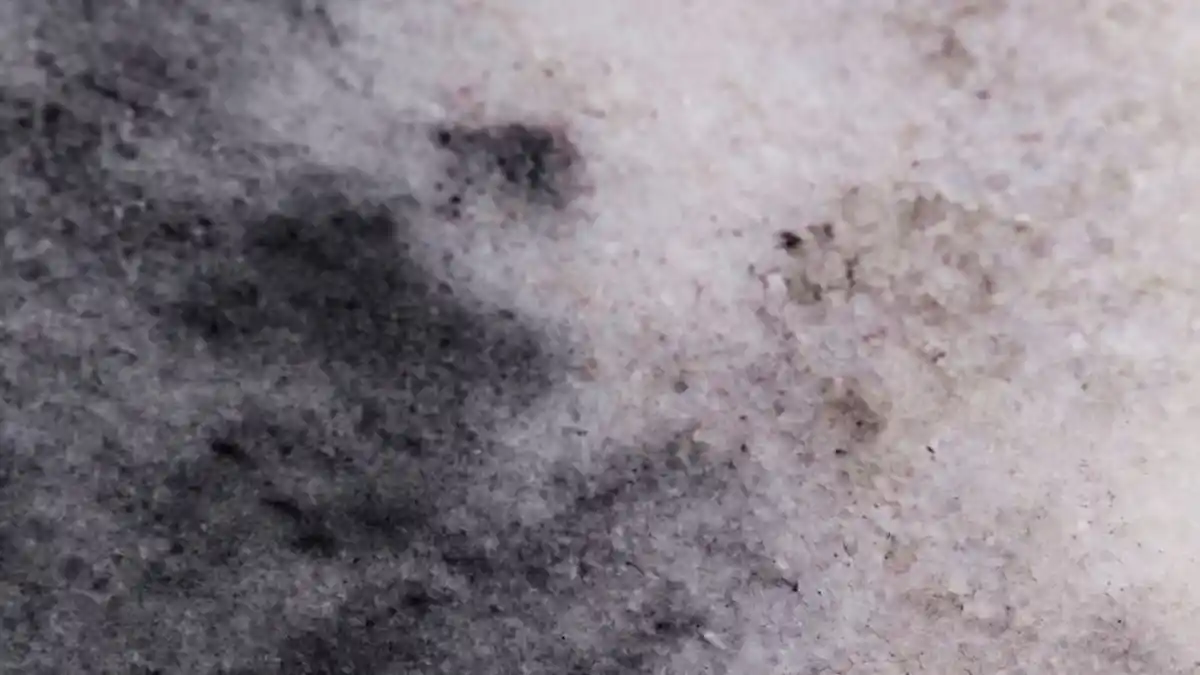
Soot Damage Removal in Fairfax, Virginia
Soot type identified before cleaning begins — protein, wet, or dry smoke require different initial approaches. Wrong first step makes complete removal significantly harder.
Fire and smoke events in Fairfax properties produce damage that extends well beyond the origin room. Smoke distributes through HVAC systems to deposit on surfaces throughout the building, and the water used for fire suppression creates a concurrent water damage scope. Soot Damage Removal addresses both dimensions as a single coordinated project.
Fire restoration in older Fairfax homes — the 1950s-70s Colonials, ranches, and split-levels found throughout Mantua, Old Town Fairfax, Annandale, and older Springfield — runs into legacy material concerns: asbestos in floor tile and pipe insulation, lead paint on trim and door frames, and lath-and-plaster wall construction that handles fire damage differently than modern drywall. We test before disturbing and handle abatement on-site under proper protocols.
What Soot Damage Removal Typically Costs in Fairfax
Pricing for kitchen, electrical, or appliance fires usually runs $4,000 – $18,000 depending on how far smoke and soot traveled. The full first floor is often affected even when the visible damage is confined to one room. We document the smoke migration path with thermal imaging and air-quality readings.
What affects pricing on a soot damage removal job:
- Square footage and number of rooms affected
- Type of materials affected (hardwood vs. carpet; drywall vs. plaster)
- Whether the cause has been corrected (an active leak extends the scope)
- Insurance involvement and documentation requirements
Direct billing: we work directly with USAA, Allstate, State Farm, GEICO, Liberty Mutual, Travelers, and most major carriers operating in Northern Virginia. Direct billing keeps your out-of-pocket to the deductible in most cases. We'll review your declarations page if there's any uncertainty about coverage.
Want a real number for your situation? Call (571) 708-6083 for a free on-site assessment.
Why Soot Damage Removal Has to Start Within Hours, Not Days
Safety Assessment
Structural integrity, electrical, and air quality checks before entry.
Board Up & Tarp
Emergency weatherproofing prevents secondary water and pest damage.
Debris Removal
Charred materials removed, contents inventoried and triaged for restoration vs. disposal.
Soot & Smoke Cleaning
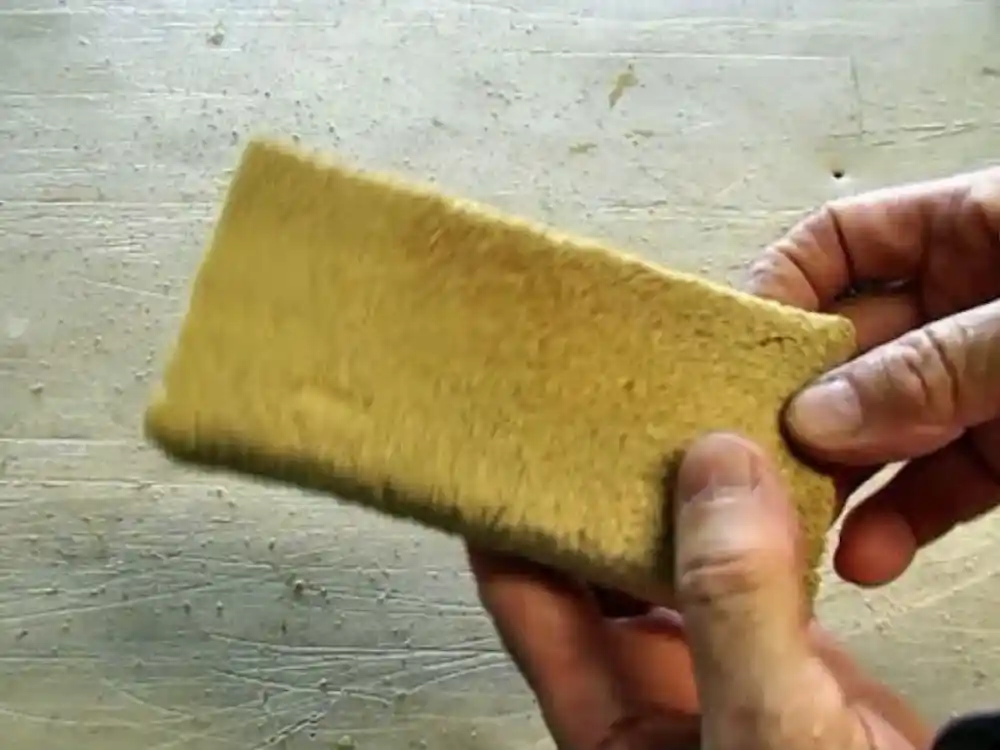
Every surface cleaned with the appropriate medium — wet, dry, or chemical sponge — based on soot type.
Deodorization
Thermal fogging, ozone, and hydroxyl treatments eliminate odors at the molecular level.
Reconstruction
Full rebuild with licensed tradespeople — we manage the whole project.
Soot Damage Removal — Questions We Get Most Often
More Fire & Smoke Services in Fairfax
Emergency Board-Up & Tarping
Same-day board-up and tarping to secure the structure and satisfy your insurer.
View Service →Kitchen Fire Cleanup
Grease fires distribute residue through cabinetry, HVAC, and adjacent rooms.
View Service →Fire Damage Restoration
Structural repair, soot removal, and full reconstruction after fire — one contractor.
View Service →Communities Across Our Fairfax County Service Range
Annandale · Burke · Centreville · Chantilly · Fair Oaks · Fairfax · View All Service Areas
Soot Damage Removal Service Footprint Across Fairfax, VA
Soot Damage Removal in Fairfax? Call Before the Next Hour Passes
Our Fairfax team is on-call 24/7. Call now for a free, no-obligation quote.
Call (571) 708-6083