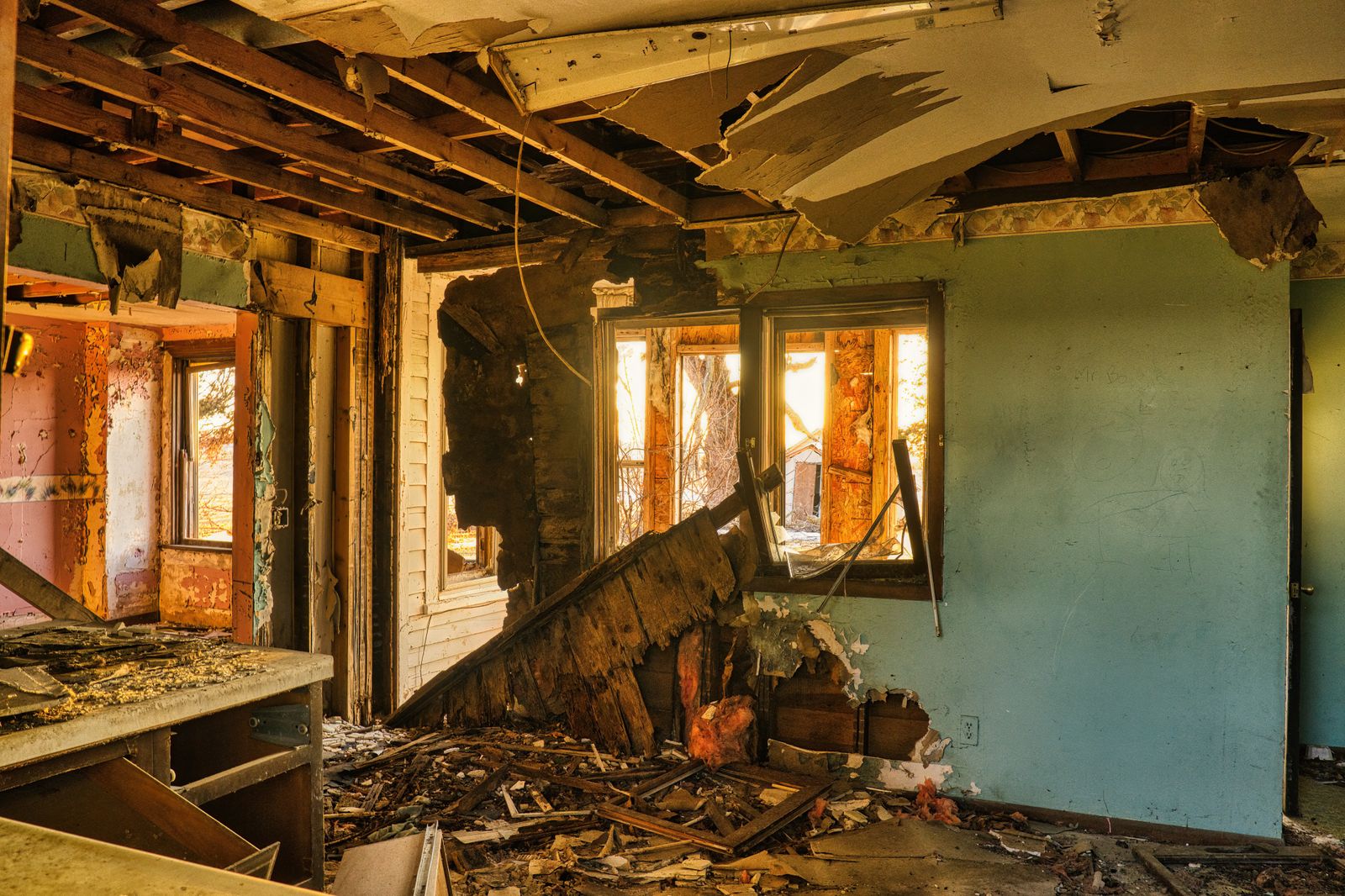
Mold growth after water damage is the most predictable secondary problem Fairfax, Virginia homeowners face — and the most preventable. The Fairfax climate, with its humid summers and variable winters, creates conditions where mold can take hold within 48 hours of any unaddressed moisture event. Understanding the growth window and prevention steps saves real money.
The 24–48–72 Hour Mold Timeline
Hour 0–24: Mold spores (which are always present in the air) land on wet surfaces and begin to activate. Nothing visible yet, but the conditions for growth are now in place.
Hour 24–48: Hyphae (the thread-like structures that make up active mold colonies) begin to develop. Still mostly invisible, but if you were to test, you'd find increased spore counts.
Hour 48–72: Visible growth starts. Initially small patches on porous materials — drywall paper, carpet backing, wood framing. Musty smells usually emerge around this window.
Beyond 72 hours: Established colonies begin spreading to adjacent surfaces. Airborne spore counts rise significantly. Remediation scope starts expanding rapidly.
Why Fairfax's Climate Accelerates Mold Growth
Virginia's summer humidity means indoor relative humidity often exceeds 60% without active climate control — and mold's growth rate accelerates dramatically above 60% RH.
Freeze-thaw cycles in winter move moisture in and out of building materials, creating condensation zones behind walls and in attics that support mold growth through the cold months too.
Older housing stock in the region often has less robust moisture barriers and ventilation than modern construction, which means conditions inside wall cavities can stay damp even when the visible surfaces look dry.
Prevention Steps That Actually Work
Fast response to water events is the single biggest factor. Get professional extraction within hours, not days. This is the one step where DIY almost always fails — household fans don't create the airflow or humidity reduction needed to beat the 48-hour window.
Structural drying verified with moisture meters. Not visually dry, not surface dry — moisture content at target values. Closing up walls with trapped cavity moisture guarantees a mold problem within weeks.
Climate control through the drying period. Dehumidifiers keep relative humidity below 50% during and after active drying. We leave monitoring equipment in place for larger jobs.
Antimicrobial treatment of affected surfaces — EPA-registered products that kill existing spores and prevent germination on still-damp materials.
When Prevention Fails: Signs of Active Mold
Musty or earthy smells, especially when entering a room after being away. Our noses adapt to smells we're continuously exposed to, so first-impression detection is most reliable.
Visible growth: usually starts as small patches or spots on drywall, grout, or fabric. Colors range from black and dark green to orange, pink, or white.
Health symptoms without other obvious cause: increased allergies, sinus congestion, headaches that improve when you leave the building.
Any of these warrant professional testing — air samples and surface samples analyzed in a lab tell you species and spore counts definitively.
Professional Remediation vs DIY Cleanup
Small isolated patches (under 10 square feet) of non-toxic species on non-porous surfaces can sometimes be cleaned with proper PPE and EPA-registered antimicrobials.
Anything larger, anything on drywall or insulation, anything with respiratory symptoms involved — professional remediation is the right call. Improper cleanup releases spores into the air and spreads the contamination.
Post-remediation clearance testing is the step homeowners often skip and shouldn't. Air samples analyzed by a third-party lab confirm the space is back to normal background levels before reconstruction.
- Visit our homepage for a full overview of our water damage restoration services in Fairfax, VA
- Mold Remediation Services — one of our core Fairfax services
- Black Mold Remediation Removal — another related service
- Annandale, VA service area details
- Fairfax, VA service area details
- Related article: Emergency Water Damage Restoration in Fairfax VA (24/7 Response)
- Contact us for a free assessment or emergency dispatch
Frequently Asked Questions
How fast can mold grow after water damage?
In Fairfax conditions, visible mold can appear within 48–72 hours on wet organic materials. Our 48-hour response window is not arbitrary — it's the practical cutoff for preventing mold.
Can I just use bleach to kill mold?
Bleach kills surface mold on non-porous surfaces but doesn't penetrate porous materials like drywall. It also doesn't address the spores released into the air during cleaning. EPA-registered antimicrobials designed for mold are more effective.
How do I know if mold is hidden inside my walls?
Musty smells with no visible source, moisture readings in the walls, and air samples showing elevated spore counts are all indicators. Thermal imaging sometimes reveals damp cavity areas.
Is black mold more dangerous than other kinds?
Not reliably. 'Black mold' in common usage refers to Stachybotrys, but many harmless molds are also dark-colored. Lab testing identifies species. Risk depends on species, concentration, and individual sensitivity.
Will my insurance cover mold remediation?
Sudden-event mold (from a burst pipe, for example) is often covered. Long-term chronic mold from humidity or unaddressed leaks usually isn't. Policies vary — review your coverage before a problem arises.